
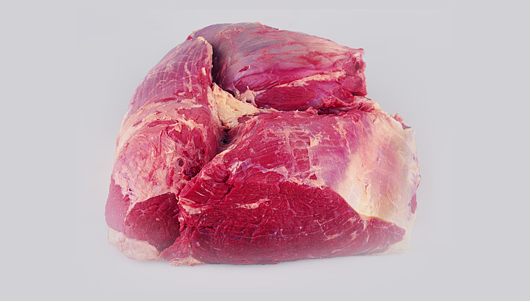
The world of meat supply is a vast network that involves numerous players, from farmers to processors, distributors, and retailers. One of the most crucial roles in this chain is that of the frozen beef supplier. They play a pivotal part in ensuring that beef products, such as frozen beef steaks, reach consumers all over the globe in a safe, high-quality, and cost-effective manner. In this blog, we’ll take a deep dive into the significance of a frozen beef supplier and how they contribute to the global meat supply chain.
What is a Frozen Beef Supplier?
A frozen beef supplier is a company or entity that sources, stores, and distributes frozen beef products to various customers around the world. These suppliers typically work with beef that has been slaughtered, processed, and then frozen to preserve its quality. By freezing the beef, the supplier can extend the shelf life of the product and ensure it remains safe for consumption even in distant locations.
Frozen beef suppliers play a key role in meeting the global demand for beef, especially in regions where fresh beef might not be available year-round. By freezing beef, suppliers can help keep prices stable and avoid supply shortages, making beef more accessible to people worldwide.
The Importance of Freezing in the Beef Supply Chain
Freezing beef is an essential practice in the meat supply industry. It helps maintain the quality and safety of beef products for longer periods, which is crucial for both suppliers and consumers. Let’s explore the main benefits of freezing beef:
1. Extended Shelf Life
When beef is frozen, it can last for months, or even longer, without spoiling. This is especially helpful for consumers and businesses that need a reliable supply of beef. Without freezing, fresh beef would only stay edible for a few days, depending on how it is stored. As a frozen beef supplier, the ability to offer long-lasting products ensures that customers always have access to beef, even in times of scarcity or when shipping delays occur.
2. Safe Transportation
Freezing beef also makes it much easier to transport the product over long distances. With the beef frozen, it can be shipped across countries or continents without the risk of spoiling along the way. Whether it’s frozen beef steaks or ground beef, suppliers can ensure that it reaches its destination in perfect condition, maintaining both safety and quality.
3. Convenient Storage
For businesses like restaurants, grocery stores, or wholesale meat distributors, frozen beef is a convenient product to store. It doesn’t require refrigeration as fresh meat does, and it can be stored in large quantities, allowing suppliers to meet the varying demands of the market. This helps keep the meat supply chain flexible and efficient.
How Frozen Beef Suppliers Fit Into the Global Meat Supply Chain
Now that we understand the role of a frozen beef supplier, let’s take a closer look at how they fit into the broader meat supply chain. The process begins on the farm and ends with the beef reaching your table, and the frozen beef supplier plays an integral part at several stages of this journey.
Sourcing and Processing
The first step in the beef supply chain is sourcing the beef. A frozen beef supplier often works closely with farmers and slaughterhouses to get the raw beef. This involves sourcing high-quality cattle and ensuring the meat is processed according to industry standards. After slaughter, the beef is carefully butchered, cleaned, and prepared for freezing. It is then quickly frozen to preserve freshness.
Freezing and Storage
Once the beef is processed, it’s time to freeze it. The frozen beef supplier uses advanced freezing methods to quickly reduce the temperature of the meat, preventing the growth of harmful bacteria. This process ensures that the beef stays fresh and safe for consumption. After freezing, the beef is stored in large cold storage facilities, often at temperatures well below freezing, to keep it in the best condition possible.
Distribution to the Global Market
One of the most important jobs of a frozen beef supplier is to distribute frozen beef to various parts of the world. Suppliers typically have extensive networks of transportation, including refrigerated trucks, ships, and planes, to move beef products across countries. They ensure that the beef reaches retailers, restaurants, and other businesses while maintaining the correct storage conditions. This distribution network is essential for global meat supply and plays a major role in making beef products available to people around the world.
Retail and Consumer Access
Finally, the beef reaches the consumer. Whether it’s through a local supermarket, a restaurant, or an online grocery store, the beef must be delivered in a way that maintains its quality. The frozen beef supplier works closely with retailers and distributors to ensure that consumers receive high-quality beef that is both safe and delicious. Whether you’re buying frozen beef steaks for your barbecue or ground beef for a family meal, suppliers make sure you have access to the best products available.
The Global Demand for Frozen Beef
The demand for beef is on the rise globally, driven by growing populations and an increasing appetite for high-protein foods. In many parts of the world, fresh beef is simply not an option due to limited local production or seasonal fluctuations. This is where a frozen beef supplier comes in, as they can provide consistent and affordable beef to meet the demands of consumers worldwide.
In countries where beef production is not as widespread, frozen beef can be imported from other nations, ensuring that consumers have access to it year-round. Additionally, freezing allows countries with large beef industries to export beef to regions that rely on imported products. For instance, Australia and Argentina are major exporters of frozen beef to countries in Asia and the Middle East.
Sustainability and Environmental Considerations
As with many industries, the global meat supply chain must address sustainability concerns. Freezing beef helps reduce food waste by prolonging the shelf life of beef products. This is crucial because meat is a perishable item, and without proper freezing and storage, a large portion of it would spoil before it could be consumed.
Additionally, a frozen beef supplier can help contribute to environmental sustainability by optimizing transportation routes, reducing packaging waste, and sourcing beef from sustainable farms. Many suppliers are increasingly adopting eco-friendly practices to minimize their environmental impact.
Challenges Faced by Frozen Beef Suppliers
While frozen beef suppliers play a critical role in the meat supply chain, they also face various challenges. Here are a few of the common difficulties they encounter:
1. Fluctuating Demand
The demand for frozen beef can vary depending on seasonal factors, economic conditions, and changes in consumer preferences. A frozen beef supplier must be able to predict and adapt to these fluctuations to ensure they have enough beef to meet market needs without overstocking, which can lead to wasted resources.
2. Supply Chain Disruptions
Global supply chains can be affected by a wide range of issues, from political instability to transportation delays or natural disasters. A frozen beef supplier must have contingency plans in place to navigate these disruptions and ensure that beef products reach consumers on time.
3. Price Volatility
The cost of beef can fluctuate due to various factors, including feed prices, labor costs, and weather conditions that affect cattle production. Frozen beef suppliers need to manage these price changes to keep their products affordable while maintaining profitability.
The Future of Frozen Beef Supply
Looking ahead, the role of frozen beef suppliers will likely continue to grow as global meat demand increases. Innovations in freezing technology, transportation, and sustainability practices will shape the future of the industry. Additionally, suppliers will need to adapt to changing consumer preferences, such as an increasing demand for plant-based alternatives and ethically sourced meat.
One thing is for certain: the frozen beef supplier will remain a key player in ensuring that beef products are available to people everywhere, no matter where they live.
Contact Us Today!
Are you looking for high-quality frozen beef products? Our team is here to help you find the best frozen beef steaks and other beef products for your needs. Whether you’re a retailer, restaurant owner, or a consumer, we’ve got you covered. Contact us today for more information or to place an order!
Frequently Asked Questions
What does a frozen beef supplier do?
A frozen beef supplier sources, stores, and distributes frozen beef products to customers worldwide. They ensure that beef, like frozen beef steaks, is safely stored and transported, maintaining its quality and freshness for longer periods.
Why is beef frozen in the supply chain?
Freezing beef helps preserve its quality and extend its shelf life. This process ensures the meat remains fresh, safe, and easy to transport across long distances, making it available to consumers year-round.
Can I buy frozen beef steaks from a supplier directly?
Yes, many frozen beef suppliers offer bulk purchasing options for businesses or individual customers. You can reach out to them to purchase high-quality frozen beef steaks directly from their distribution channels.
What is the difference between frozen beef and fresh beef?
The main difference is that frozen beef has been preserved by freezing, allowing it to be stored for longer periods without spoiling. Fresh beef, on the other hand, has a shorter shelf life and needs to be consumed quickly.
How long can frozen beef be stored?
Frozen beef can be stored for several months or even up to a year, depending on the freezing method used and storage conditions. It’s important to keep it at the right temperature to ensure its quality and safety.
Is frozen beef as nutritious as fresh beef?
Yes, frozen beef retains the same nutritional value as fresh beef. Freezing helps preserve its vitamins and minerals, ensuring that you get the same health benefits from both frozen and fresh beef.
